Multiple online betting and casino operators are busily preparing for Alberta becoming the next major regulated iGaming market. The Canadian province looks set to be the second territory in the country to introduce licensing for online gambling operators, and the expectation is that Alberta will follow a similar model to Ontario.
For operators looking to apply for one of these new licenses, it is important to understand that regulators will not only be looking at technology and finances. They will be taking a close look at how applicants market themselves and how their affiliates and third-party partners are promoting them.
Particular scrutiny may be reserved for operators that have been in Alberta for some time, while it has been a grey market from a regulatory standpoint.
Why marketing compliance matters for licensing
The way operators conduct their marketing efforts is proving to be a fundamental part of regulatory oversight in markets that have been regulated.
Alberta has suggested they will be using a similar model to Ontario, which became a regulated market in April 2022. What we learned from The Alcohol and Gaming Commission of Ontario (AGCO) is operators are expected to actively monitor and control their marketing channels, including affiliates and third-party partners.
For operators seeking to gain access to the Alberta iGaming market, they will need to understand their marketing ecosystem and be sure that it is not full of hidden compliance issues.
Mistake 1: Allowing partners to promote aggressive and misleading promotions
Third parties, such as affiliates, influencers, and marketing agencies promote bonuses and offers on behalf of operators all the time. Some of these promotions can be overly aggressive and misleading:
Common problems in promotions:
- Claims of ‘risk-free’ betting
- Exaggerating bonuses
- Hiding terms, such as wagering requirements
- Misleading suggestions of success
Having a clear understanding of how and where your marketing partners are promoting your brand is essential when seeking a license to operate in newly regulated markets.
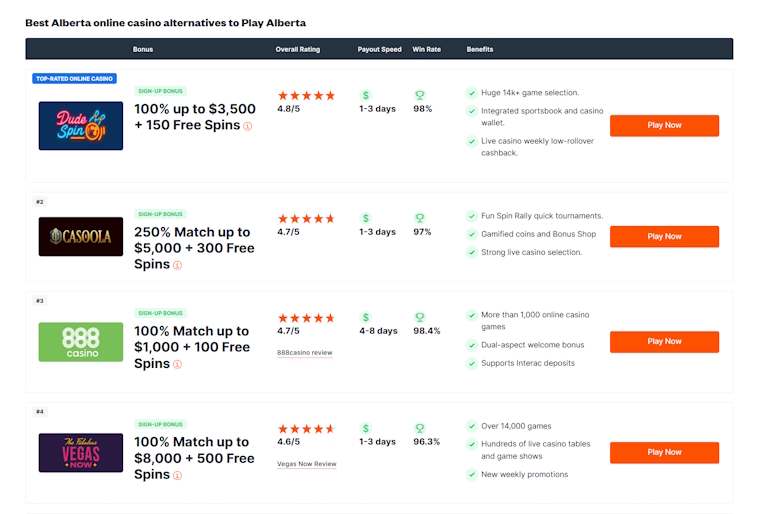
Bonus offers in Alberta will likely face greater scrutiny when regulation introduced
Mistake 2: Marketing that is appealing to minors
Typically, regulators are focused on protecting young people from being exposed to gambling adverts and promotions.
Examples include:
- Cartoon-style adverts or childish imagery (fairytales and nursery rhymes)
- Social media influencers with younger audiences
- Platforms that are frequently visited by younger people
- Promotions containing young-looking individuals
Regulators do not only focus on the marketing activities of the operators applying for licensing. Red flags can be raised by content produced by third parties that could be appealing to minors.
Mistake 3: Use of celebrities and sports stars in advertising
Gambling regulators, including those in Canada, have very strict rules on the use of celebrities, sports stars, and other public figures in any type of gambling advertising.
Often, these figures can give minors and other vulnerable groups mixed signals about gambling.
Regulators are typically interested in making sure:
- Celebrity endorsements meet regulatory guidelines
- Marketing campaigns don’t exploit fan loyalty
- Third-party partners are not using imagery without permission
These campaigns are easily identified and can harm an operator's licensing application, even if it has not taken place on their own platforms.

The use of celebrities in gambling promotions likely to face stricter rules in Alberta
Mistake 4: Failing to monitor third-party marketing
Operators should not assume that third parties will be solely responsible for their own marketing activities. It is increasingly common for regulators to hold operators responsible for the marketing activities of third parties that promote them.
- Regulators are expecting operators to:
- Supply marketing guidelines to their partners
- Use compliance monitoring tools
- Issue contractual compliance clauses
- Have rapid removal procedures for non-compliant content
Operators who are unable to produce active third-party monitoring systems may run into problems during regulatory review.
Mistake 5: Grey-market Advertising prior to regulation
Operators that have been advertising to players in Alberta prior to regulation may face additional scrutiny during their licensing application.
Regulators may decide to review:
- Previous advertising campaigns
- Affiliate sites accessible to Alberta players
- The size of the current customer base in the province
While prior activity does not necessarily prevent licensing, regulators may review how an operator has conducted themselves in the market up to now. Any unsavoury activity would likely hinder the licensing process.
Summary
As Alberta prepares to launch its regulated iGaming market, marketing compliance is expected to be a significant part of the licensing process and also ongoing license retention.
Operators can avoid unwanted scrutiny when it comes to marketing compliance if they avoid these common mistakes.
Those that invest early in robust marketing compliance systems will be better positioned to secure a license in Alberta and gain a foothold in this active iGaming market.

 Affiliate Marketing Compliance
 Brand Protection
 Social Media Monitoring
 Sub-affiliate Transparency
 Marketing Intelligence
 PPC Monitoring


 by Brean Wilkinson | 12 Mar 2026
 4-min read


