
 Affiliate Marketing Compliance
 Brand Protection
 Social Media Monitoring
 Sub-affiliate Transparency
 Marketing Intelligence
 PPC Monitoring


 by Brean Wilkinson | 09 Oct 2026
 5-min read
Brazil’s iGaming market, one of the biggest markets on the planet, was effectively shut down on Tuesday. The incumbent government, led by President Lula da Silva, enacted an emergency executive order that bans online casinos and sports betting. Regulated operators, such as Betano, Bet365, and Superbet, had days to decide how to react. Appeals and reviews are ongoing, but the market remains closed at this time for regulated iGaming brands.
iGaming businesses have already invested millions of Brazilian reais to obtain licenses to operate in this lucrative market, worth over R$35bn a year. Tough decisions are now being made at these companies as they figure out how to proceed.

iGaming brands must now consider the following:
- Continue operating in Brazil: The riskiest option for any of the Brazilian-licensed iGaming brands. Going this route could potentially jeopardise future re-entry to the market if the temporary ban is overturned.
- Suspend activity temporarily: This is likely to be the most popular option. Retain the infrastructure needed to return, but turn off the mechanisms for depositing and placing bets.
- Full exit from the market: Unlikely to be a preferred option at this stage, but the longer things go on, it could be an option that some iGaming brands have to take to survive.
All regulated brands have suspended operations
Rightlander analysed the URLs of all 85 licensed iGaming companies and found that they either linked directly to an explainer webpage provided by the Brazilian government or had some message about a suspension of services.
Of the 85 brands analysed, none (0) were still taking bets or even showing a page that looked like ‘business as usual’.
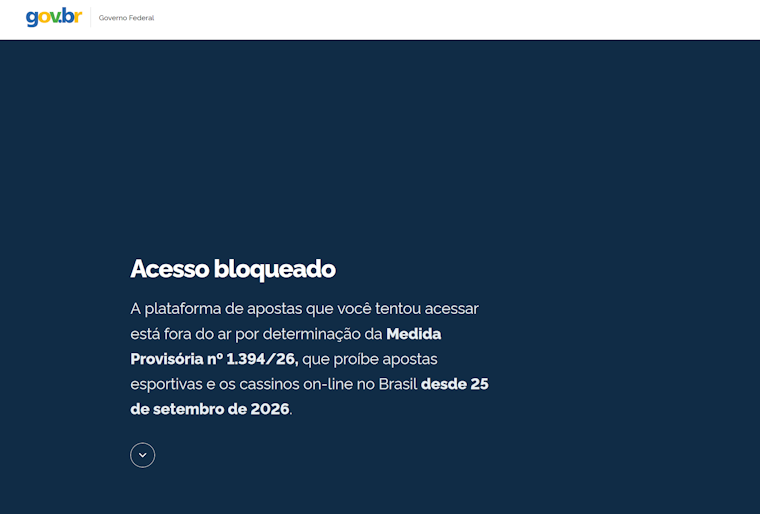
Rightlander has also seen copies of cease and desist emails that iGaming operators and affiliates are receiving through hosting suppliers such as CloudFlare. The Brazilian government is instructing website owners offering or advertising fixed odds betting to take down their properties. In Brazil, there is a major crackdown on iGaming in operation right now, which could last for many more months.
Your betting website is down, but what other threats remain?
With the removal of all regulated brands from Brazil’s iGaming Market, an opportunity now opens up for black market operators (BMO) who don’t hold a license. Within hours of the ban being imposed, BMOs moved quickly to entice iGaming affiliates to promote their brands. There is an expectation that they will increase their ad spend through social platforms and other ad networks.
For regulated brands that are waiting to see what happens next, threats from these marketing changes could harm their brands for the following reasons:
- As affiliates' commercial relationships have ended abruptly with regulated operators, they will likely switch to marketing brands that continue to operate in Brazil.
- Although it is unlikely that affiliate links for regulated brands are left in place, content that ranks for regulated brands will likely be unchanged. Therefore, links to BMO’s could start to appear on pages like ‘apostas esportivas na Betano ’, for example.
- Influencers that were previously promoting regulated brands will likely switch to promoting unregulated brands. Content containing regulated brand marketing could be left in video inventories on YouTube and other platforms.
Strict rules on marketing iGaming products in Brazil
The wording of new legislation, MP 1.394, has far-reaching implications for regulated brands. Article 16 doesn't merely say paid advertisements are prohibited. It specifically identifies content that "offers, promotes, publicises or provides access" to fixed-odds betting and is directed at Brazilian citizens, regardless of the format or method of remuneration. Advertising and sponsorship materials were supposed to be removed within ten days of the MP's publication.
It is impossible to say at this time whether the government will take a heavy hand to regulated operators for the actions of third-party partners. However, being caught up in the marketing of unlicensed brands should be something licensed brands are mindful of at this moment.
How can brands protect themselves during this period?
With so much uncertainty and so much at stake for regulated iGaming brands in Brazil, there are steps worth considering beyond switching off your bet.br domain.
- Review all affiliate partnerships in Brazil and ensure that marketing partners have discontinued marketing your regulated brand(s) at this time.
- Any tracking URLs can be neutralised at operator level. Rather than relying on potentially hundreds of partners to update their sites, which will likely take much longer and require significant resources to verify compliance.
- Communicating with partners about the changes in the Brazilian iGaming market and the need to act quickly to remove links and content that might be accidentally breaking new rules.
- Find what remains live and encourage swift removal of any content that doesn’t meet new legislation. Technologies can help with checks through a combination of automated scanning and AI.
- Prioritise content that has active calls-to-action. Examples include links with “jogar agora” or bonus offers and other promotional text.
- Keep monitoring the situation, as the clean up operation may take several weeks, maybe longer. Once again, specialist technologies can help make this task easier.
Conclusion
The current situation in the Brazilian iGaming market is very fluid. It is complicated by an ongoing election and a lack of clarity about when appeals and reviews will be considered. For regulated brands, there is huge frustration as they watch BMOs flood into the market, in a coordinated land grab, taking advantage of the situation.
For regulated operators that would like to continue in the Brazilian iGaming market if and when it is reinstated, they just need to make sure they don’t fall foul of any new legislation that has been introduced. Keeping their house in order is the best thing they can do right now, as this market could be opened again in a matter of days or weeks, for all we know. It’s very much a case of keeping your ‘powder dry’ right now, as the turmoil of elections and rapidly changing legislation unfolds.


